

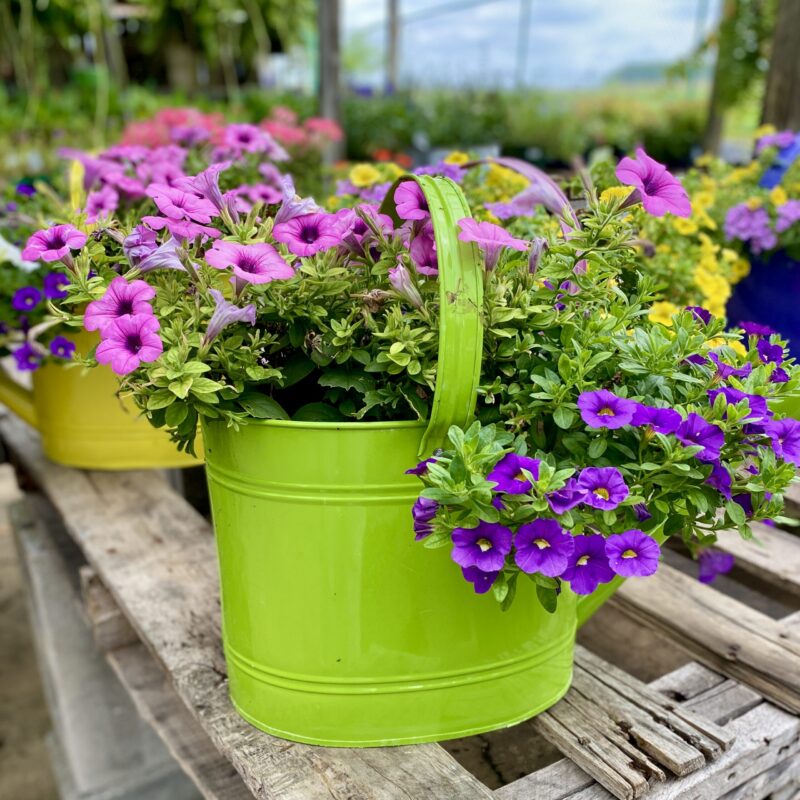
This story first appeared in the Master Gardener column in my local newspaper.
Here in Georgia, we’re in the back-and-forth days of early spring, when temperatures see-saw between warm perfection and chilly agony. For me, the perfect early spring days start with lows in the 40s (degrees Fahrenheit) and top out in the 70s. Typically, we get a few of those days and then winter bites back with freezing temperatures, blustery winds and frozen precipitation.
Between the good days and the bad days, gardeners have plenty of work to accomplish in a short period of time. Before you know it, the clouds of yellow pollen will clear out, and we’ll be prepping for Memorial Day barbecues and daydreaming about harvesting our first tomatoes of summer.
Garden Goals for This Year
If you’re looking for ways to improve your garden this year, consider this list. This is my garden goal list for this spring, and I hope it’s helpful for you.

- Up first is Improve Your Soil. Healthy garden soil is the foundation of organic gardening. When you optimize your soil’s vitality, your plants are better able to resist pest and disease pressure. A few steps you can take to improve your soil this year:
- If you’re gardening in native soil (a.k.a., dirt), it’s important to test your soil. Pick up a soil test kit from your local Cooperative Extension office. This low-cost test is easy to do – you scoop soil samples into a bag and take it to your local extension office. A few weeks later, you’ll get a report that details the specific amendments needed to improve your soil.
- Even if without a soil test, most garden soils benefit from applications of organic compost. You can make your own compost (see Extension publications for the best advice) or purchase organic compost. In the garden, mix compost with your native soil or packaged garden soil.
- Consider adding vermicompost to your garden. Vermicompost is the finished product of composted worm castings. This nutrient-rich product helps plants resist disease pressure. Like regular compost, you can make your own with your own worm barrel or you can purchase packaged vermicompost in stores. Vermicompost is a potent product. In your garden beds, spread a one-inch layer over the top of the soil and mix it in.
Watering is Key
2. Next, Add Drip Irrigation. It’s important to prioritize consistent watering, especially early in the season when plants put their energy into establishing root systems. It’s not unusual for our temperatures to reach 80+ degree days in April and May and that kind of heat stresses developing plants. In addition to drip irrigation, consider treating yourself to an upgraded watering wand and remember to water plants at the roots, up under the leaves, to reduce foliar diseases.
Pest Management
3. Stay Ahead of the Pests. I didn’t have a deer problem until I started gardening. In the past, I’ve made the mistake of waiting until deer damage my plants before I spray. This year, I plan to be proactive with deer repellents. The same goes for protecting my tomato plants from pests like tomato hornworms. Spraying Bt (Bacillus thuringiensis) before I spy the caterpillars is key to reducing hornworms and saving the precious tomato crop.
Plan for Time Away
4. Make a Vacation Plan. If you’re leaving your home for weeks at a time, it’s a good idea to have a plan for your garden. From keeping flower pots watered to harvesting zucchini before it reaches baseball bat stage, scheduling garden guardians makes a lot of sense. Get your neighbors and friends on the calendar for watering duty this summer so you don’t come home to a bone-dry garden and crispy plants.
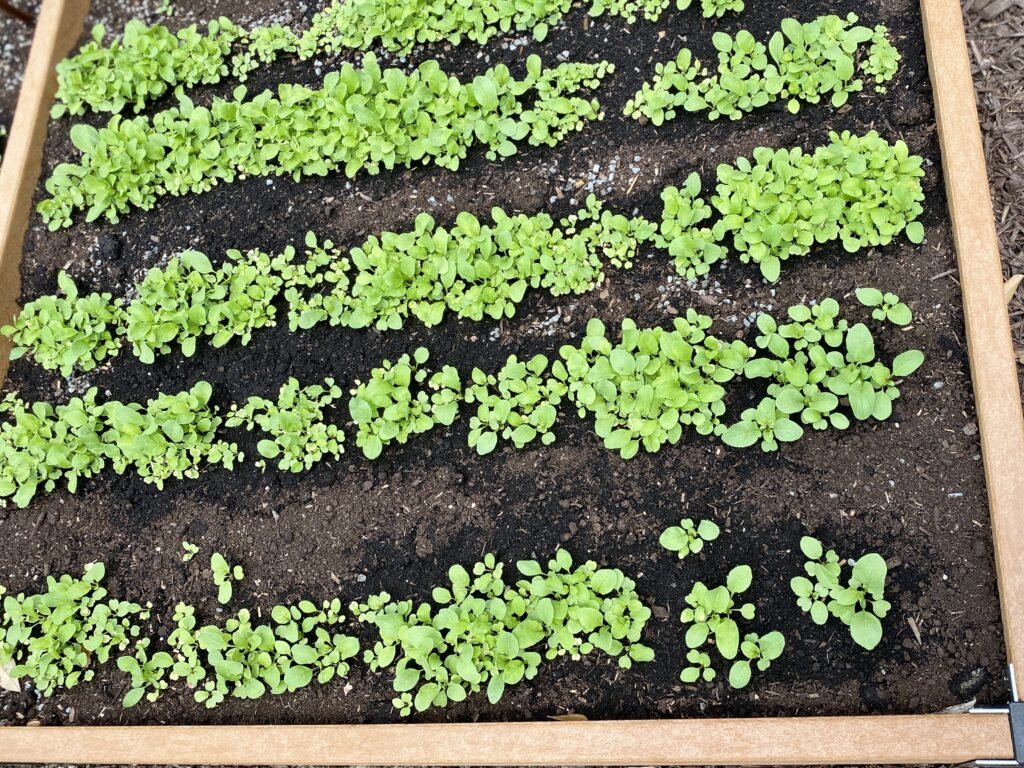
Make a Succession Plan
5. Keep the Garden Going. Plant succession crops in your vegetable and flower garden. Gardens are not (just) about planting once and then settling into maintenance. Keep your garden fresh by continuing to plant throughout the warm season. This is easiest to do with seeds. You can sow successive crops of lettuce in spring and green beans in summer. In the flower garden, sow zinnia seeds from Memorial Day to the middle of August.
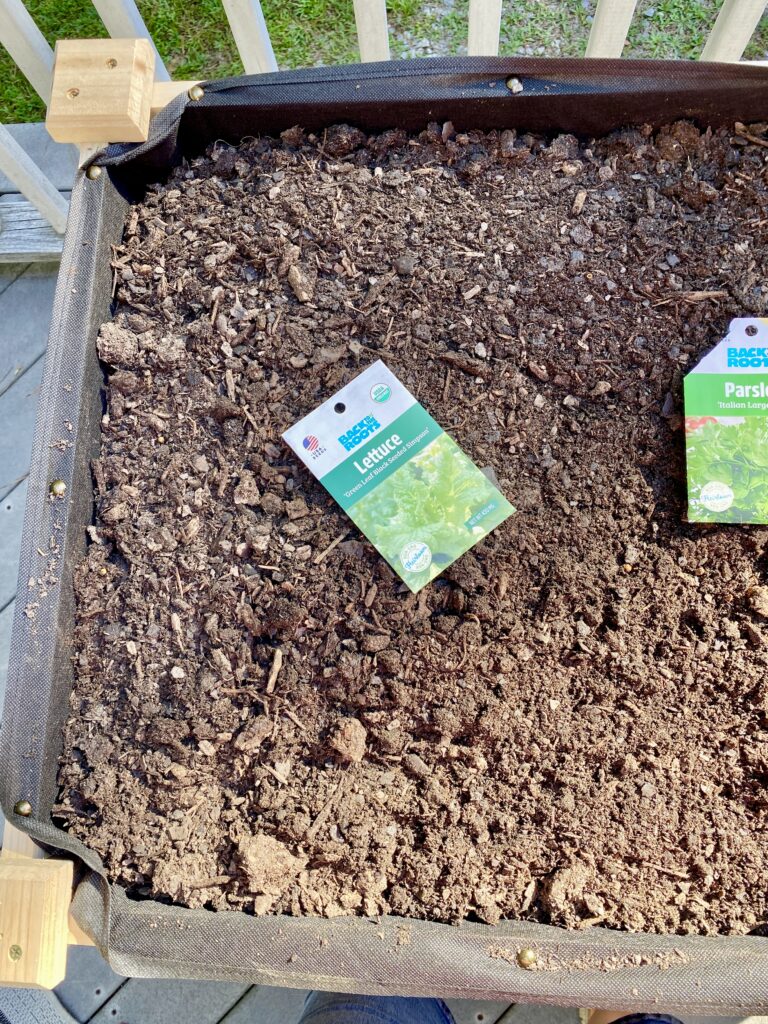
Related to this last goal, I’m trying to use up all my garden seeds each summer. Instead of storing seeds year after year, I plan to sow as much seed as I can and harvest as much as I can. I can save seeds from the garden and buy more seed next year.
What Are Your Garden Goals This Year?
What are your garden goals this year? Whatever goals you’ve set for your garden space, or even if you’re just getting started, the Cooperative Extension office can answer your questions. And I’m here to answer questions, too. In the comments section, let me know how you plan to garden this year.
Read More on A Cook and Her Books
Join the Conversation
Let’s talk about gardening, food, travel and more on Instagram and Facebook. I’d love to hear from you!
