

This story first appeared in my local newspaper’s Ask a Master Gardener column.
It’s harvest time, and no matter the size of your garden, there is almost always plenty to share. Consider these quick ideas for sharing the bounty of your garden, even if you’re an indoor gardener.
Share a Homemade Bouquet
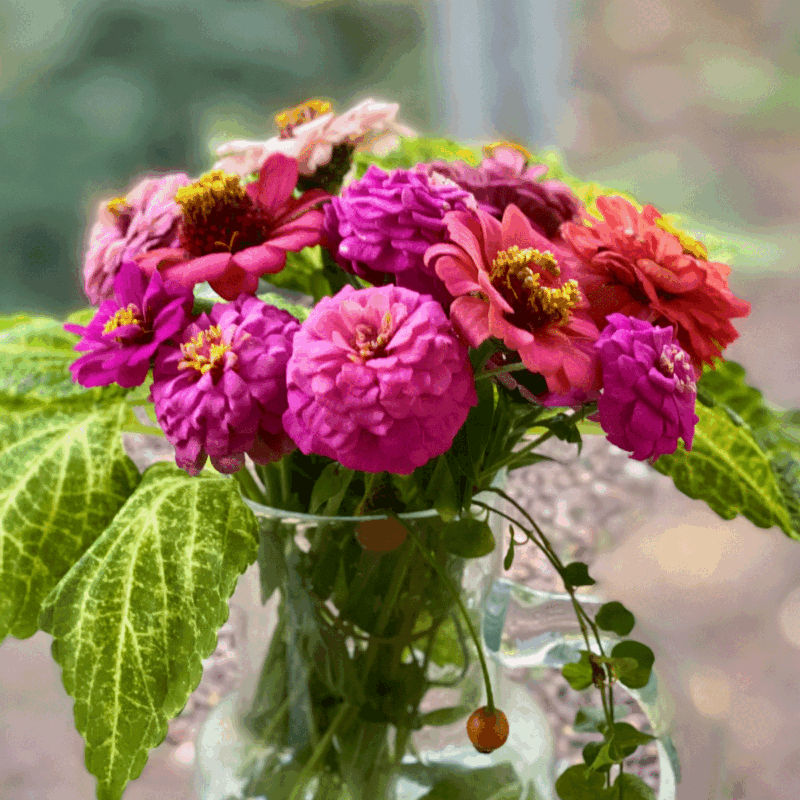
1. A homemade bouquet. Most home landscapes have a few flowers and foliage stems to share. When seemingly everything in the yard is blooming in early fall, I grab a sharp pair of scissors or pruning snips and gather flowers to give away.
I start with panicle hydrangeas that turn from snowy white to dusky pink in fall. I clip the prettiest stems from the towering ‘Vanilla Strawberry’ hydrangeas at the side of the house. I add late season gardenias for fragrance, fat stems of coleus, colorful zinnias and bright orange marigolds. In the herb garden, I snip long stems of rosemary (with its tiny blue flowers) and lavender. I finish the bouquet with chubby stems of glossy green basil.
I usually make these bundles of blooms while the recipient walks around my garden with me. To finish it off, I’ll trim the stems and secure the bouquet with a length of natural jute twine. Keep a roll of jute twine with your gardening tools. It costs about two bucks and can be used for tying tomato vines to trellises, as well as finishing your bouquets. Just cut a length about 12 inches long, wrap several times around the stems and finish with a slip knot or (if you’re feeling fancy) bow.
When I present the bouquet to new gardeners, I offer advice on what can be propagated in water or soil (basil roots in water and coleus regrows in garden soil).
Propagate and Share Plants
2. Plants for propagation. Gardeners can share the bounty when they clip or split plants and pass them along, and fall is a great time to snip and divide plants.
In my garden, I share annuals like the sweet potato vine that is living its best life in the containers beside my porch. These cuttings will root in water or garden soil and can be treated like houseplants in winter. You can also share coleus and basil, mentioned above.
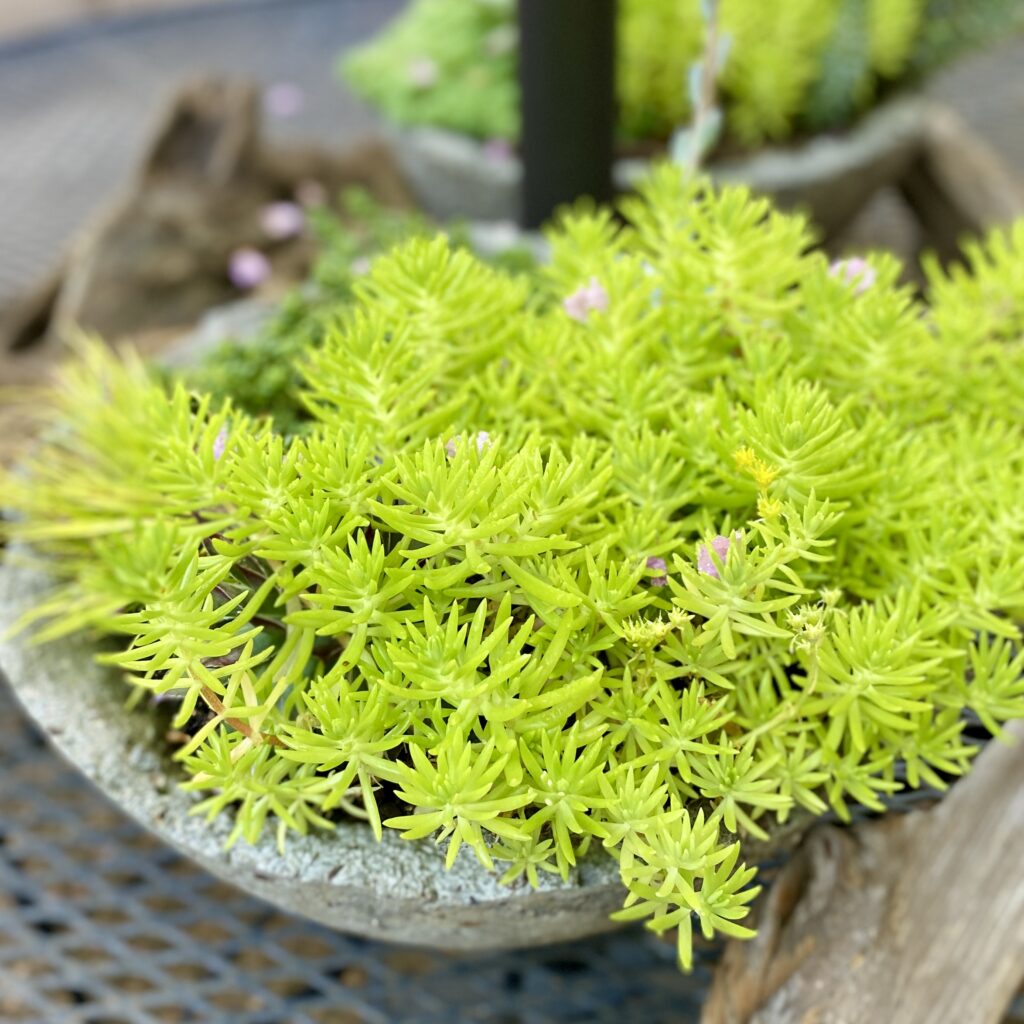
Sedums (also called stonecrop) are excellent passalong plants. In my garden, I share snippets of hens and chicks, lemon coral sedum, fish scale sedum, and many unnamed others that have been given to me.
The recent cool, wet weather makes this a good time to divide perennials like mums and asters, daisies, hostas, hellebores, coneflowers and coreopsis. Pack the plants in garden soil or a fine mulch in boxes or nursery pots with instructions to plant as soon as the gardener can. You want perennials in the ground before the first frost that usually comes to our area in mid-November.
Share Houseplants from Your Collection
3. Share houseplants. One of my very favorite gifts this past year is a small collection of propagated houseplants. A friend gave me golden pathos and sansevieria (the name for what I grew up calling “mother-in-law’s tongue.”) They’re both low-light houseplants that tolerate occasional neglect.
These are just a few of many indoor plants that can be rooted, potted and shared with friends. There’s even a “sharing plant,” pilea peperomioides, that’s easily propagated and shared with friends.
Share Vegetable Garden Bounty
4. Plant a fall vegetable crop to share next year. October is the month to plant garlic. Local organic gardener James Hembree, who sells plants at the weekly farmer’s market in Douglasville, offers these tips for growing garlic:
- Start with a weed-free garden. Garlic doesn’t like competition.
- Fertilize the bed with organic soil or compost.
- Use organically-sourced garlic seed cloves.
- Cover with mulch.
- Top dress with organic compost in February or March. This early season fertilizer boost helps to send up green stems and makes fat garlic bulbs.
- Harvest garlic in June.
- Save some garlic heads for seed and share with friends.
Share the Beauty of Your Garden
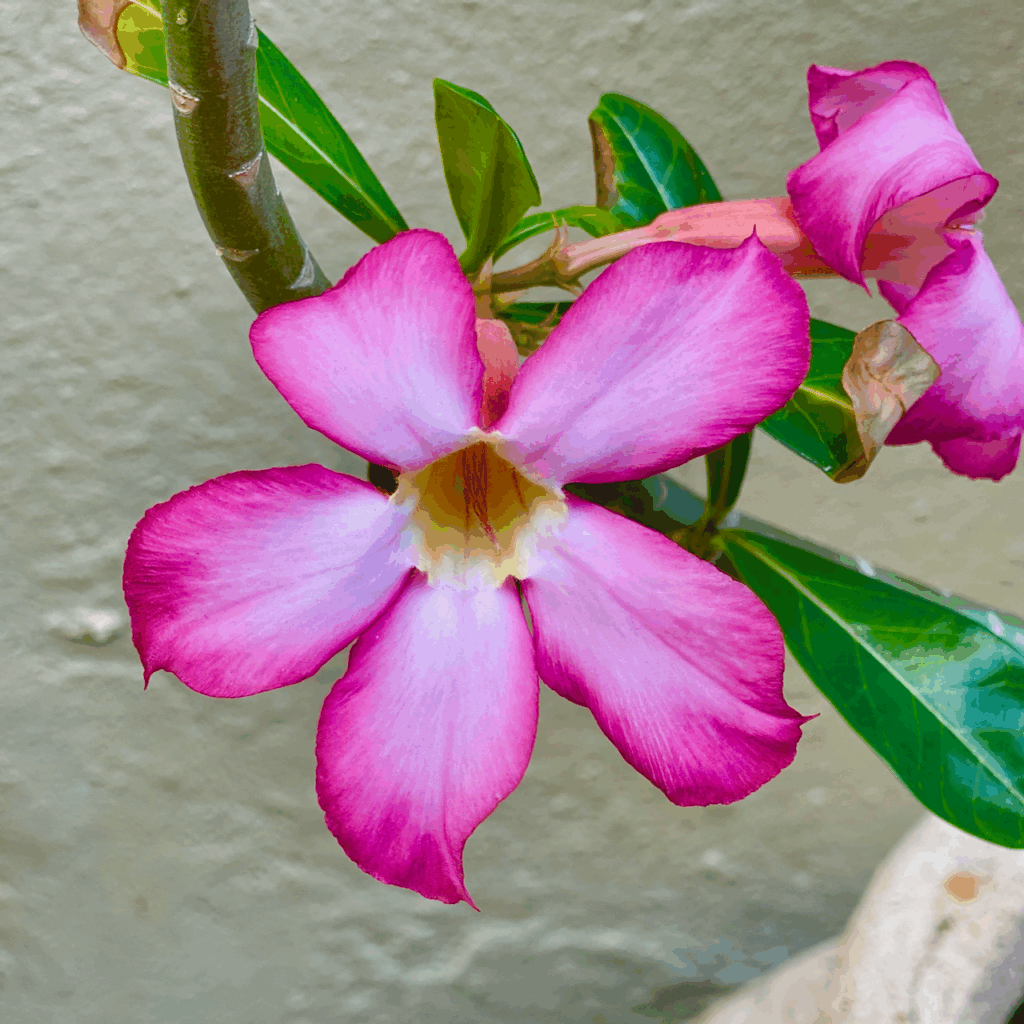
5. Share pretty pictures of plants. October is a good month to get outside and hike at Sweetwater Creek or Clinton Nature Preserve. Walk through our neighborhoods and parks and take pictures of what’s blooming and the interesting insects that visit. Share your pictures by text or on social media.
A few tips for using your smartphone to take pictures of plants and gardens.
- Frame up the shot and get close enough to see the details on flowers.
- Morning and early evening are the best light. Morning light is warmer, evening light is cooler. Don’t wait for a sunny day ~ overcast and rainy weather are good for picture-taking.
- Hold the camera steady. Think about your posture. Take a deep breath, hold it and snap the picture.
- When it’s time for editing, filters may be fun, but I find it easier to get a consistent professional look by using the in-phone editing features. The features I use are highlight, saturation, vignette (just a touch) and sharpness.
- Save and label your photos. Try a journaling app to track what bloomed and when.
UGA Cooperative Extension Service is a resource for you to learn about how to grow plants and preserve the bounty of your garden. Learn more at extension.uga.edu.

Leave a Comment